
How to Grow Tomatillos

Days to germination: 4 to 8 days
Days to harvest: 90 to 100 days
Light requirements: Full sun
Water requirements: Water frequently
Soil: Well-drained soil
Container: Very suitable
Introduction
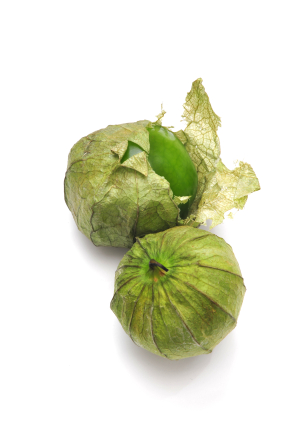
The tomatillo is closely related to the more traditional garden tomato, but it is a different vegetable even though many people consider them to just be “green tomatoes”. One unique feature is that the growing fruits are surrounded by a leafy husk that dries and splits at maturity. The look like little paper lanterns while they are growing.
The husk gives the tomatillo some of its alternate names, such as the husk tomato or husk cherry. They are also sometimes called Mexican tomatoes because they are more popular in Mexican cuisine (particularly in salsas).
They can be eaten raw, but the flavor can be very tart. It’s more common to use them cooked. Most varieties are green when ripe, but you can find some that are red or purple.
Starting from Seed
Tomatillos like the heat and have a fairly long growing season, so it’s a good idea to start your seeds indoors if you can. Seeds should be planted about 8 weeks before you expect to have your last spring frost.
Since you’ll be growing your seedlings for basically 2 months, little seedling trays or cells will not be sufficient. Unless you want to transplant them while still indoors, it’s best to start your seeds in pots that are 3 to 4 inches across.
When you are planning out your tomatillos, you will need at least 2 plants in order to get any fruit. They are self-infertile and must have another plant closeby to pollinate. Three or four plants is better, but you definitely need at least 2.
Transplanting
You can put your seedlings out anytime after all threat of frost is gone, but it’s a good idea to “harden them off” first. Get them accustomed to the outdoor conditions by setting your plants outside during the day but bring them back inside at nights. Do this for 4 or 5 days before your plan on actually planting them.
Once they are ready to go in the ground, dig the soil well and add a fertilizer mix of your choice. Keep your seedlings 18 inches to two feet apart when you plant. Tomatillos will usually require some support, particularly once the fruit starts growing. Put your stakes, trellis or cages in place right when you plant your seedlings so you don’t harm your plants later on. You can always let the plants sprawl on the ground if you prefer, but having them up in the air keep them clean and less attractive to bugs.
Tomatillo flowers are great at attracting bees, so you may want to keep your plants away from outdoor areas where you spend your time but close to other plants that could use the pollination help.
Growing Instructions
Your plants will be killed by any frost, so if you are expecting a late frost after your seedlings have been planted, make sure to cover your plants. Newspapers, a large sheet, or individual containers turned upside-down will all work fine.
Like tomatoes, tomatillos can benefit from regular feedings with a high potassium and phosphorus fertilizer to help set their fruit. Keep your plants well watered, and a layer of mulch can help your soil stay moist between waterings.
Containers
Tomatillos grow very well in pots, usually around 5-gallons in size for each plant. The soil will dry out faster than your garden soil does, so pay close attention to your pots. Tomatillos don’t like dry soil and you may have to water them every other day or more often in dry weather.
Pests and Diseases
It’s the leaves of the tomatillo plant that are the most at risk from the insects in your garden. No one pest is particularly unique to the tomatillo, so just watch for the usual cucumber beetles, potato beetles and other leaf-loving bugs. Pick them off when you see them, and occasionally spray your plants with a pyrethrin-based natural insecticide to keep them away.
Aphids may also be a problem that can be harder to spot, but if you look closely around the stem and leaves, you can see clusters of them. A few won’t do any harm, though large populations of them will start to keep your plants from thriving. Insecticides work well, and they also wash off easily with a garden hose. Having a few more ladybugs in the garden is another good way to clear out the aphids. You can even buy packages of live ladybugs to release in the garden, if you are always struggling with aphids.
Harvest and Storage
Tomatillos are ready to be picked when their husks dry out completely and split away from the fruit inside. They don’t grow as large as regular tomatoes, are will usually mature when they are around the size of a golf ball. The husks are not part of the fruit and need to be removed before you use the tomatillos.
You can pick them when they are a bit smaller, but it’s a lot easier to tell when they are ready by waiting for the husk to dry out. If you want to pick them early, there will be a bit of trial and error to determine when they are actually edible.
These are usually very productive plants, and you can expect 10 or more pounds of fruit from each plant when the growing conditions are good.
But you should leave those husks on while the tomatillos are in storage. They’ll keep better. Store them in the fridge for up to a month without any special conditions. Either keep them loose on the shelf or in a paper bag. If you store them in plastic, moisture accumulation will cause them to rot faster.
You can also freeze them, for a longer storage time of six months. They will much softer when thawed, so plan to use frozen tomatillos for cooked uses rather than raw.
October 13th, 2013 at 5:05 am
My tomatillos are normal size but they are like little empty lanterns. Does the fruit start to grow inside?
March 25th, 2014 at 11:36 pm
I want to start growing tomatillos and have a few questions:
1) I’m a rookie and can’t grow tomatillos in my apartment. My friends have roof access, but I don’t want to bother them to do my watering. Would a simple gravity fed drip irrigation system work? Would I have to have multiple drips into the same bucket?
2) As an alternative, can I have the pots sit in a shallow irrigation bath? (very big bucket with a hole cut in the very bottom dumps nutrient water into a trough, water is soaked up from the holes in the bottom of the planter bucket)
3) Can I keep the pots RIGHT NEXT to each other? I was thinking I might keep em on a radio flyer wagon and roll em up/downstairs coming to/from work because I don’t know if I get enough light during the day on my indoor patio. Thanks!
July 12th, 2014 at 5:21 pm
3 years ago I grew tomatillos for the 1st time…I had 6 or 7 plants and bushels of fruit. 2 years ago i planted too soon and got frozen. Last year I was attacked by the local, growing, rabbit population!!! This year I have 5 very healthy plants in cages with 5 stakes each…and NO fruit!!!
WHAT IS GOING ON???????????
July 21st, 2014 at 5:15 pm
Unfortunately, I have only one plant and it has some blossoms on them. It is in a large planter and is doing well. Do you think I will get any tomatillos since 2 plants are required to pollinate the fruit. It is my first year experimenting this lovely plant. I live on the west coast of Canada.
February 21st, 2015 at 9:07 am
This will be my first year planting tomatillos. These comment have helped me get started thank you every one for the help in getting started.
June 28th, 2015 at 12:23 pm
I am growing tomatillos for the first time this year, they are fruiting very heavily but a worm or something is cutting a nice little hole in the husk and then there is what looks like a worm hole in the fruit. what can I do?
October 4th, 2015 at 10:40 am
I would be grateful for help on tomatillos. I have grown them for several years, planting more than one variety, several plants, and make scads or fruit, but no size. They are never bigger than a pea regardless what variety I plant. I water some frequently and some not so much, with reasonable fertilization. Tomatoes right beside them do fine and make good size.
April 29th, 2016 at 1:28 pm
Help ! Cannot find tomatillo seeds so I bought 2……..How do I harvest seeds?…….Dry out? Plant whole ? Thanks for your help. I have learned a lot about many things……..
Charly Kimm
May 3rd, 2016 at 9:06 am
hello im curious this is my first year of growing tomatillos . just curious. can one plant produce. fruit,if crossed pollinated with other breed of tomatillo plant
May 3rd, 2016 at 9:29 am
after reading posting on how to grow tomatillo i didnt reliaze before the plant was purchased didnt read that it said to plant two the said bought plant is at least 30 inches tall full of blooms after being in ground just under 3weeks do i still have time to get another tomatillo plant for it to bare fruit this season. right now its the tallest plant in garden as far as thee other tomato plants in my garden.
May 3rd, 2016 at 9:46 am
oooooooooooh lord! im and a bind went looking for another tomaittlo plant the garden store were plant was purchased have sold out all over there tomaitillo plants i live in memphis tnn help me out ineed another tomatillo
May 3rd, 2016 at 12:17 pm
got lucky found chef jeff’s yellow tomatillo plants at one last garden center had 3 pitiful looking semi blooming plants they had. hoping for the best that they take hold n pollinate soon
June 20th, 2016 at 8:45 am
I only bought one tomatillo plant this year. Does cross-pollination happen with only another tomatillo, or can it be another plant (Anaheim peppers, for example). I have lots of blooms but now, after reading comments here, I suspect I will be getting no fruit.
May 8th, 2017 at 11:21 am
This will be my first year growing tomatillo plants here in Ontario Canada. I have about 10 plants started, I think 6 will make it to my Garden. Should I plant them all together or mix them with peppers and tomatoes. Right now these 10 are all in one pot, about 6 inches round. I will use a big spoon to get them out and replanted in a week or so
August 25th, 2017 at 6:55 pm
It is a myth that you need two plants which I learned from West Coast Seeds. I have one plant and it is producing fruit.
March 7th, 2018 at 1:07 pm
HI I am in Miami Florida. I planted some seeds from a tomatillo I bought. They grew well. I self pollinated them. Rubbed the flowers together. One day my dog ran and broke off the the plants. I stuck the broken pieces in the soil and watered a lot and they continued to grow. Now I have a few tomatillos growing. Yay!!