
How to Grow Kiwi

Days to germination: Started from seedlings
Days to harvest: 3 years
Light requirements: Full sun or light shade
Water requirements: Regular watering
Soil: Well-drained soil, no extra fertilizer
Container: Possible, in very large pots
Introduction
There is no mistaking these little fuzzy green fruits that are sometimes still called Chinese gooseberries.
Kiwis grown on vines that get reach 15 feet in length and may not be suitable for anyone with a small area for gardening. They are somewhat hardy in cold winters, and some can be grown in areas up to zone 3. Varieties known as “hardy” kiwis are better for colder regions, though the Hayward kiwi is the most common for home-growers (zone 5). Arctic Beauty is a good one for northern gardeners.
They do need a winter chill in order to produce fruit, so you can’t grow kiwi anywhere warmer than zone 8. Different varieties have different temperature requirements, so you should try to buy plants that suit your climate. Some have lovely pink and green variegated leaves that can make kiwi an attractive hedge in the garden.
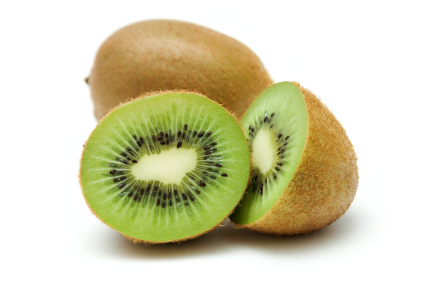
The fruit is high in vitamins C and A, potassium, copper and is filled with tiny (but edible) black seeds that make an attractive pattern when the kiwi is sliced. Most people peel them, but the fuzzy skin is edible if you don’t mind how it feels. It’s almost always eaten fresh, though it has the unique ability to tenderize meat and is sometimes used that way.
Starting from Seed
Because kiwi plants need a fairly precise chilling period in order to germinate, most people just by seedlings, or rooted vine cuttings.
At one time, kiwi’s were only available in either male or female which meant you had to be careful to buy the right “gender” of plants and you needed 2 of them in order to have any fruit. But you don’t need to actually plant in pairs. One male vine can pollinate many female plants.
There are some modern varieties of kiwi now that are self-fertile, making this unnecessary. The Jenny is one such variety. At your average garden center, it’s likely that you will have the Hayward variety which means 2 plants.
Transplanting
Dig your soil well, and add some compost at planting time. Considering the size a kiwi vine will eventually reach, you should allow for at least 5 to 10 feet on either side of each vine. Each plant should have it’s own support (see below). If you have male and female plants, make sure to plant the males within about 20 feet of the females in order to get good pollination and fruit development.
Choose a spot that either gets full sun or a bit of afternoon shade. A sloping area will help with water drainage because water-logged roots is a big problem with kiwis.
Pests and Diseases
Kiwi doesn’t have that many insect enemies in the garden. There are a few 4-legged pests that you should plan on keeping away from your kiwi vines. Deer are sometimes attracted to the leaves, and kiwi has an odd effect on cats. The seem to take to kiwi as though it were catnip. It’s easy to lose a new plant to an over-zealous feline so you may need to put up a fence if there are roaming cats in your area.
Growing Instructions
As long as your soil is fertile, you shouldn’t need to add any extra nutrients or fertilizer. Use a mild formula (10-10-10) or you may risk burning the roots. Once planted, you should water very regularly for the first year. After that, only when the weather is really dry.
Kiwis will produce a large, heavy vine (especially when laden with fruit) so you will have to provide a very sturdy support structure in order to keep your plants secure. Plan this out before planting your seedlings. If you try to build a trellis around a plant, you will almost certainly end up doing it damage.
A horizontal wire system, similar to what is used with grapes can work well with kiwis as well. Two sturdy stakes placed 5 feet on either side of your vine. Run 2 wires between them, one at 3 feet and one at 6 feet high. As your kiwi vine grows, train or tie the main branches along wires to provide a solid framework for your plant.
Like other vine fruit, your plants will be more productive if you take the time to keep them properly trimmed and pruned. Cut out any dead branches and any extra vines outside the main body of the plant. Do all of your pruning when the plant is dormant, during the middle of the winter. If it’s too close to spring, the vines may start to bleed sap and make your kiwi vulnerable to disease.
If you are growing a male and female plant, your male one won’t be producing any fruit so you can prune much heavier to keep it small.
Containers
With a large enough container, you should be able to grow any variety of kiwi but the Issai kiwi is an ideal option for potted growth. It’s also self-fertile and produces a smaller vine than most. The fruit is not as sweet though.
Plant your vines in a 10 to 20 gallon pot, and make sure the support is very stable. Given the size of the vine after a few years, it will easily topple over with just a pot of soil for an anchor.
Water when they dry out, and limit fertilizer use as mentioned above.
Harvest and Storage
You will likely start to get some fruit from your kiwi vines after 3 years, and a full harvest after around 6 years. The Arctic varieties can even start to fruit after just one season. If your vines are healthy, you can get more than 50 pounds of fruit each year. Once your plants are established, they can keep producing kiwis for up to 50 years.
Kiwis are ripe to harvest when they are just starting to soften. The true test is to try one and see how they taste.
Fresh kiwis will store well in the refrigerator, for up to 5 weeks. If you keep them in a plastic bag with a moist bit of paper towel, they can last 3 months or longer.
You can also freeze it, but it will be very soft once you thaw it out.
September 29th, 2016 at 5:09 am
kindly let me know the best temperature for both the seedlings and the tree respectively.i would like
to try this in Kenya.is it possible?
June 12th, 2017 at 4:59 am
How close does the male Kiwi plant need to be to the female plant for pollination to work?
September 17th, 2017 at 11:28 pm
It’s WRONG to say “can’t grow kiwi anywhere warmer than zone 8”. I am in San Jose CA, zone 9B and grow 1 male & 2 female kiwi plants, with tons of fruit. I will add 1 more female plants next sprint.